Prototypes and small batches
Yannic Fréson 3D, a 3D printing service for the Heist-op-den-Berg area in Belgium, prints prototypes and small batches for designers, small businesses and makers: one model to test, or up to about 100 small or 10 plate-filling parts per order. A standard print is ready in 3 to 5 working days, an unfinished fast prototype in 1 to 2.
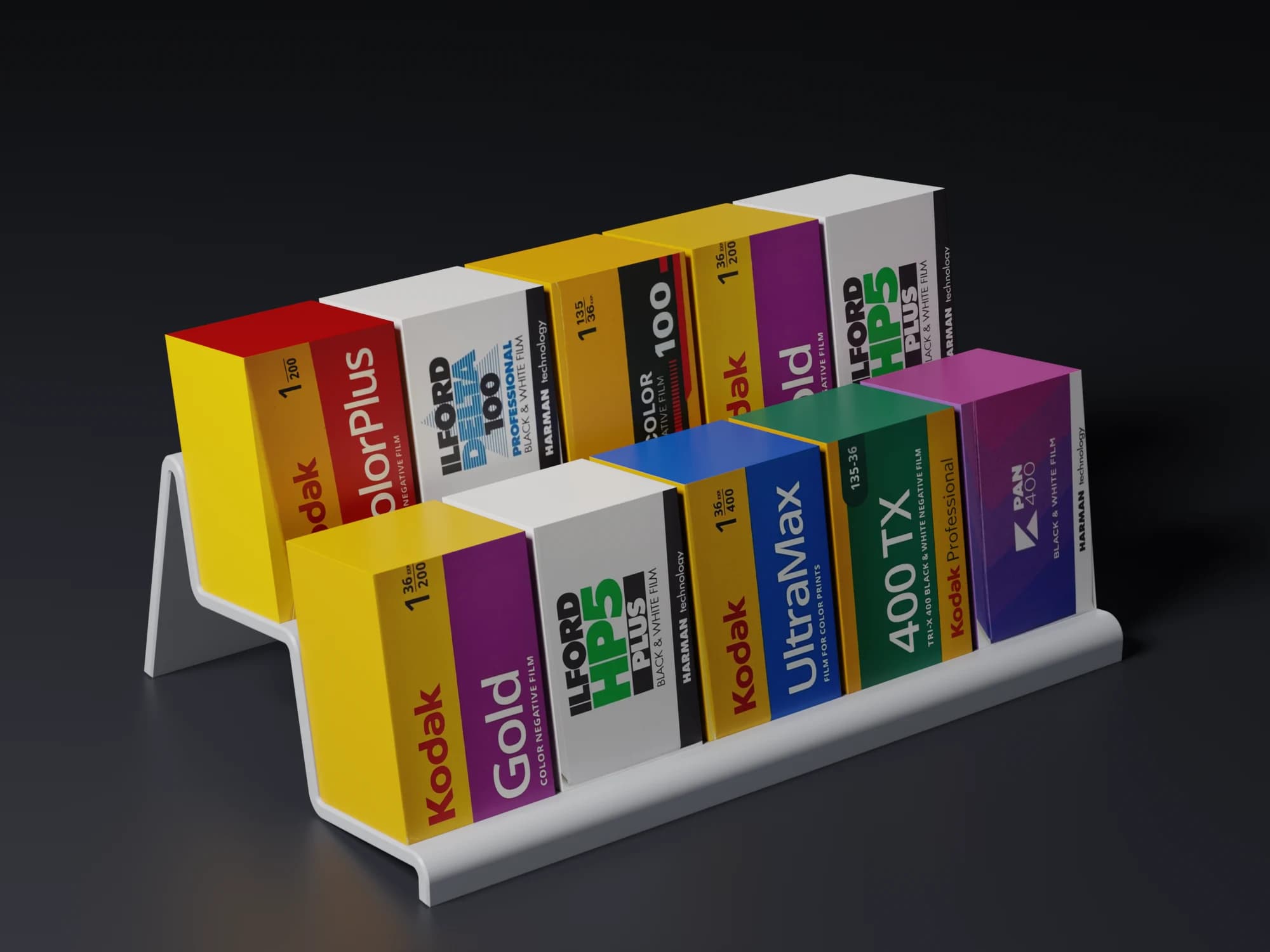
What you get
Something to hold
A full-size model to fit, assemble and show. On screen everything is always right. In your hand you notice within ten seconds what is not.
A batch without a mould
No tooling is made. You pay for the parts themselves, and the design can still change between two orders without anything being thrown away.
A test piece first
Order one piece first and check it before the run starts. A half-millimetre mistake is annoying. The same mistake a hundred times is a hobby.
Prototypes: how fast you can iterate
A standard prototype from Yannic Fréson 3D is ready 3 to 5 working days after you approve the quote. That applies to each version. The print itself takes from about half an hour for a small part to about a day for a part that fills the 256 × 256 mm build plate.
If you want to iterate quickly, most of the time is won before printing. Three things help:
- Test the detail, not the whole. If you are unsure about one snap fit, have only that corner printed. That is a matter of minutes instead of hours, and of the minimum price instead of a large part.
- Bundle variants. Three versions of the same clip, each with a little more clearance, fit on one build plate and in one order.
- Send a STEP. Then a dimension can be changed without you having to export again.
If you have a deadline, mention it in your request. For checking shape and fit, the fast prototype below is the quicker and cheaper tier. A rush on a standard print is possible when the printer is free, for the surcharge listed with the prices.
Standard print or fast prototype
Yannic Fréson 3D offers two tiers. A standard print is finished, in 3 to 5 working days. A fast prototype is printed on the faster speed profile and handed over unfinished, in 1 to 2 working days for a part that prints within a day. Its start-up fee is €3 instead of €5, its minimum order €8 instead of €10.
| Standard print | Fast prototype | |
|---|---|---|
| Turnaround | 3 to 5 working days after you approve the quote | 1 to 2 working days after you approve the quote, for a part or small set that prints within a day; larger jobs get a date in the quote |
| Print profile | Standard profile, 0.2 mm layers | The printer's faster speed profile |
| Finishing | Supports removed, edges tidied | Supports removed, nothing else |
| Surface | Visible 0.2 mm layers | Visible ringing, rougher faces, seams and overhangs as they come off the printer |
| Start-up fee per order | €5 | €3 |
| Minimum order | €10 | €8 |
| Rush surcharge | Possible when the printer is free | Cannot be combined |
| Suits | Parts that will be used or seen, presentation models, batches | Checking shape and fit before the version that counts |
A fast prototype is cheaper than a standard print of the same part because the print time is shorter and there is less handling. The quote states which of the two tiers it covers. All rates are in the rate card on the pricing page.
What you give up with a fast prototype
A fast prototype from Yannic Fréson 3D trades surface for speed: visible ringing, rougher faces, seams and overhangs as they come off the printer, and a higher chance that a print fails. If one fails during printing, it is printed again once at no cost. Cosmetic imperfections are part of the tier and are not a defect.
Ringing is the faint ripple that appears next to sharp corners when a print head changes direction quickly. It does not stop you judging whether a lid closes or a handle sits well in the hand, which is the whole purpose of this tier. It does look like what it is: a draft.
Do not choose a fast prototype for:
- parts that have to look finished, such as a presentation model or a gift
- parts that have to be watertight
- parts that have to carry load
- an order you also want rushed: the tier cannot be combined with the rush surcharge
For those, order a standard print. What applies to a fast prototype is set out in full in the terms and conditions.
The honest limits of an FDM prototype
An FDM prototype from Yannic Fréson 3D shows shape and fit, but does not behave like an injection-moulded part. The 0.2 mm layers stay visible, the part is weaker between the layers than along them, and the 0.4 mm nozzle limits how fine a detail can be. Transparent and rubber-like parts are not possible.
In practice that means:
- Strength tests say little about the final product. A printed snap finger breaks differently from a moulded one in the same material. You see where a part gives way first, but the values do not carry over.
- The surface is that of a print. If you want a smooth presentation model, you will have to sand and paint it, or choose another technique.
- Small text and sharp inside corners blur. Rely on the design, not the printer, to keep details legible.
- Dimensions deviate slightly. Draw in clearance where parts slide into each other.
Shape, proportions, fit and assembly: for those, an FDM print is a reliable witness. You can tell whether a fillet sits well in the hand and whether a lid closes. If you need resin, SLS nylon or metal, an industrial print bureau will serve you better. That is not false modesty, just a different machine.
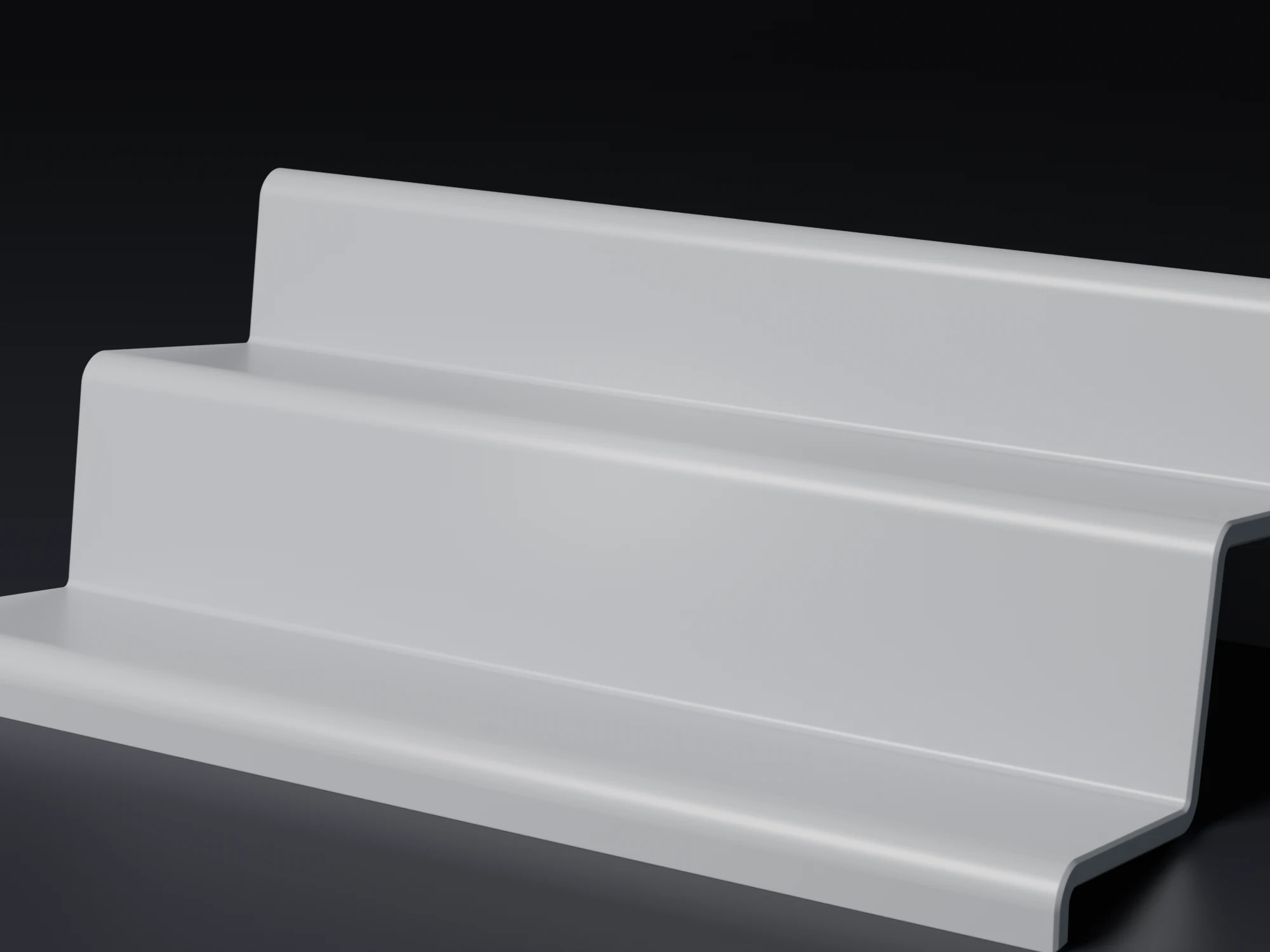
How many parts you can order
Yannic Fréson 3D prints up to about 100 small parts or about 10 parts that fill the 256 × 256 mm build plate per order. The limit is set by printer capacity and a lead time that has to stay reasonable. Small parts are printed dozens at a time on a single plate.
What counts as small depends on how many fit on a plate. Clips, caps, spacers, cable guides and keychains are small. An enclosure or a holder of twenty centimetres is large.
If you need more, that can be done in consecutive orders. For continuous production of hundreds of parts a week, this is not the right supplier, and it is better said now than in week three.
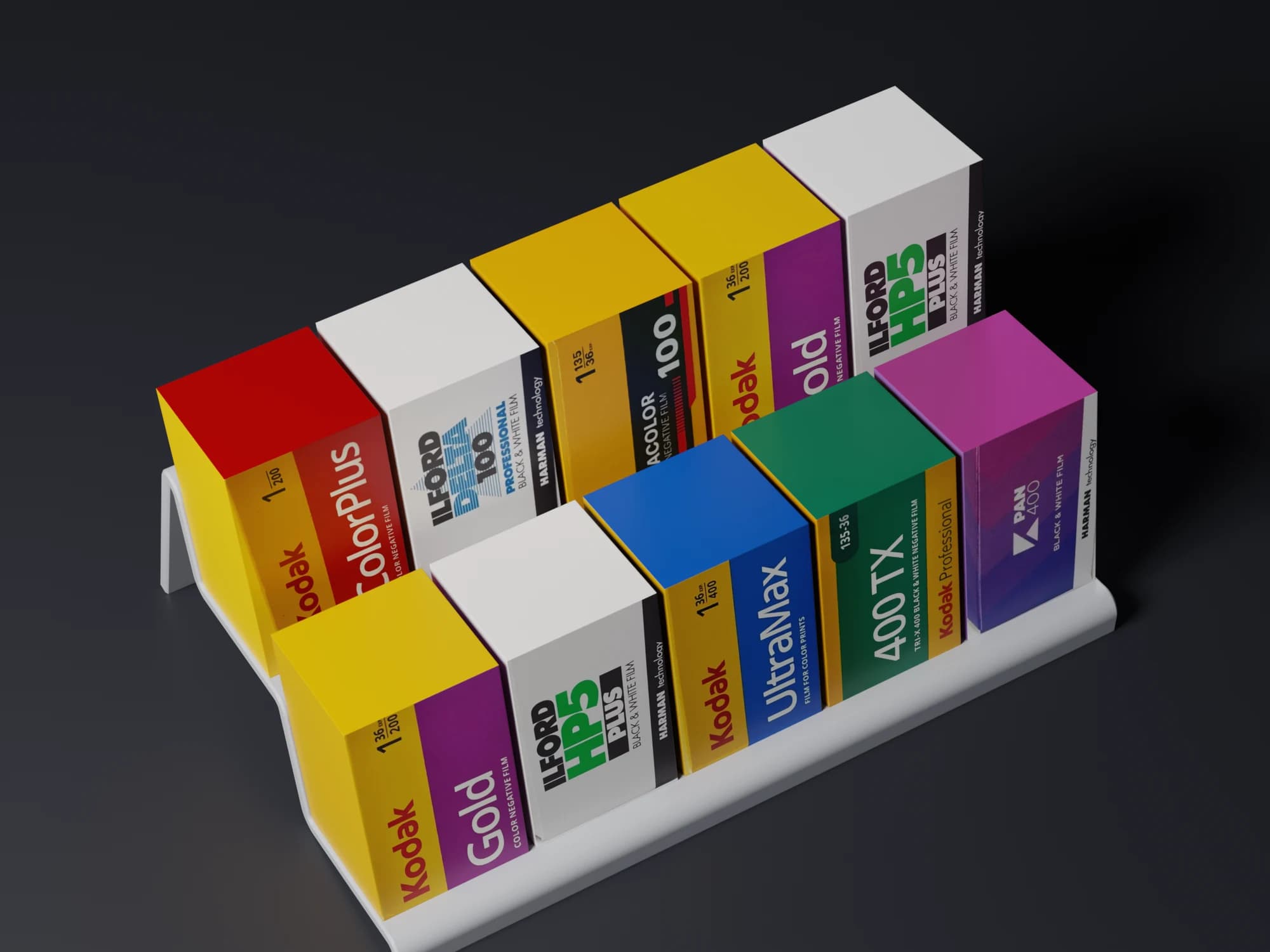
Why the unit price drops
Every order has one start-up fee, however many parts are in it. That fee covers checking the file, slicing, preparing the build plate and packing. With one part, that part carries all of it; with fifty, it becomes a footnote. On top of that comes a quantity discount in tiers, which is on the pricing page.
What a prototype or a small batch costs
At Yannic Fréson 3D a standard prototype or a batch costs at least €10 per order. The price follows weight and print time, not the importance of your project, and falls per part as the quantity rises. Three single parts in ascending size, and a worked batch of 50 clips in PETG.
Phone stand
- Dimensions
- 90 × 80 × 110 mm
- Material
- Matte PLA, 1 colour
- Print time
- approx. 3 h
from
€14
Indicative price. Final price, VAT not applicable. Your quote is exact.
Enclosure with lid for electronics
- Dimensions
- 120 × 80 × 45 mm
- Material
- PETG, 1 colour
- Print time
- approx. 7 h 30 min
from
€29
Indicative price. Final price, VAT not applicable. Your quote is exact.
Large part that fills the build plate
- Dimensions
- 250 × 250 × 120 mm
- Material
- Matte PLA, 1 colour
- Print time
- approx. 22 h
from
€84.50
Indicative price. Final price, VAT not applicable. Your quote is exact.
Series of 50 small clips
- Dimensions
- 30 × 15 × 10 mm each
- Material
- PETG, 1 colour
- Print time
- approx. 11 h
- Quantity
- 50
from
€41.50
€0.83 each
Indicative price. Final price, VAT not applicable. Your quote is exact.
Guide prices, shipping not included. Several variants in one order share the start-up fee. All prices are final: small enterprise under the VAT exemption scheme, VAT not applicable. The discount tiers are in the rates.
How alike the parts in a batch are
A batch from Yannic Fréson 3D is printed on one Bambu Lab P1S, with one print profile and 0.2 mm layers. Parts from the same run are therefore closely comparable with each other. FDM does remain a process with small variations in size and surface, and the position on the build plate plays a part.
For parts that have to fit together, a single piece ordered first is the moment to settle the clearance. After that the file stays unchanged.
Colour is the second thing to watch. Within one order the filament comes from the same spools. Between two orders a shade can differ very slightly, as it does with paint or yarn. If a repeat order has to sit next to the first run, say so.
When injection moulding is the better answer
3D printing at Yannic Fréson 3D makes sense for batches up to about 100 small parts per order, with no start-up cost for a mould. If you need thousands of identical parts, a smooth surface without layers or a certified material, injection moulding is the better choice, despite the high cost of the mould.
The trade-off is simple. With printing, every part costs about the same, the first and the last. With injection moulding you pay for a mould first and after that each part costs next to nothing. Somewhere those lines cross. Exactly where depends on the part, and the point is higher than many people think.
Printing a small batch is also a good intermediate step: you test the market or your assembly line with real parts before ordering a mould. If the design changes afterwards, that costs a new file and not a new tool.
Good to know
Yannic Fréson 3D prints prototypes and batches in PLA, PETG, ABS or ASA, up to 256 × 256 × 256 mm per part and in up to four colours. Business customers get an invoice without VAT, because the business falls under the Belgian exemption scheme for small enterprises. Safety-critical parts and parts for food contact are not printed.
- File
- Preferably STEP; STL and 3MF work too.
- Largest part
- 256 × 256 × 256 mm. Larger models are printed in sections.
- Quantity
- Up to about 100 small or about 10 plate-filling parts per order.
- Material
- PLA for shape and fit, PETG or ABS/ASA if the part has to withstand something. Only PLA is in stock; the rest is ordered for the job.
- Lead time
- 3 to 5 working days per standard prototype version; 1 to 2 for a fast prototype that prints within a day. For a batch, the date is in your quote.
- Test piece
- Recommended: order one piece first, with its own quote.
- Invoice
- No VAT on the invoice, so nothing to deduct either.
- Confidentiality
- Customers' work is not shown without permission. Files are used for your own order only.
- Responsibility
- If you build the parts into a product of your own, you are the manufacturer of that product.
Designs that went through several versions
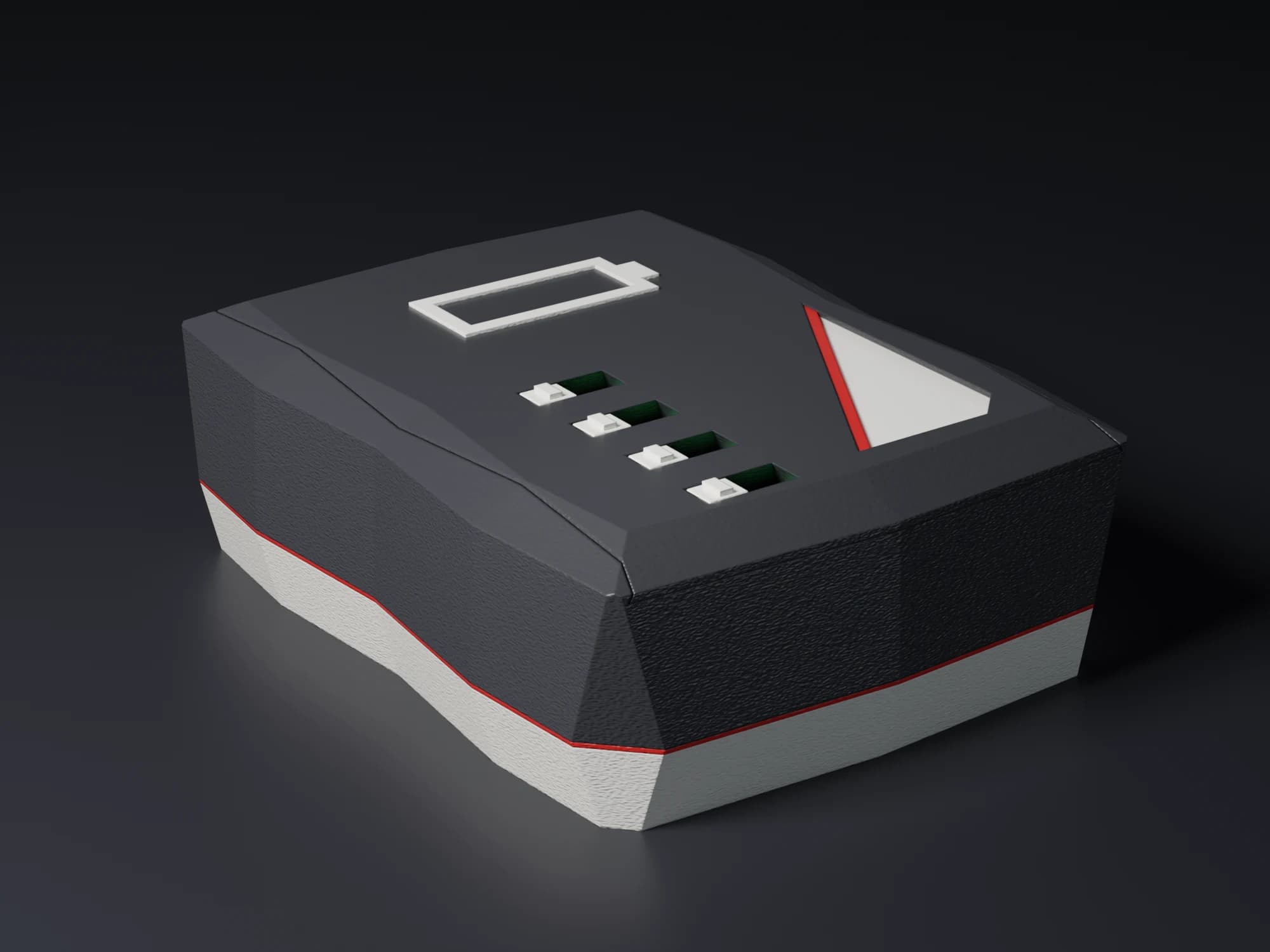
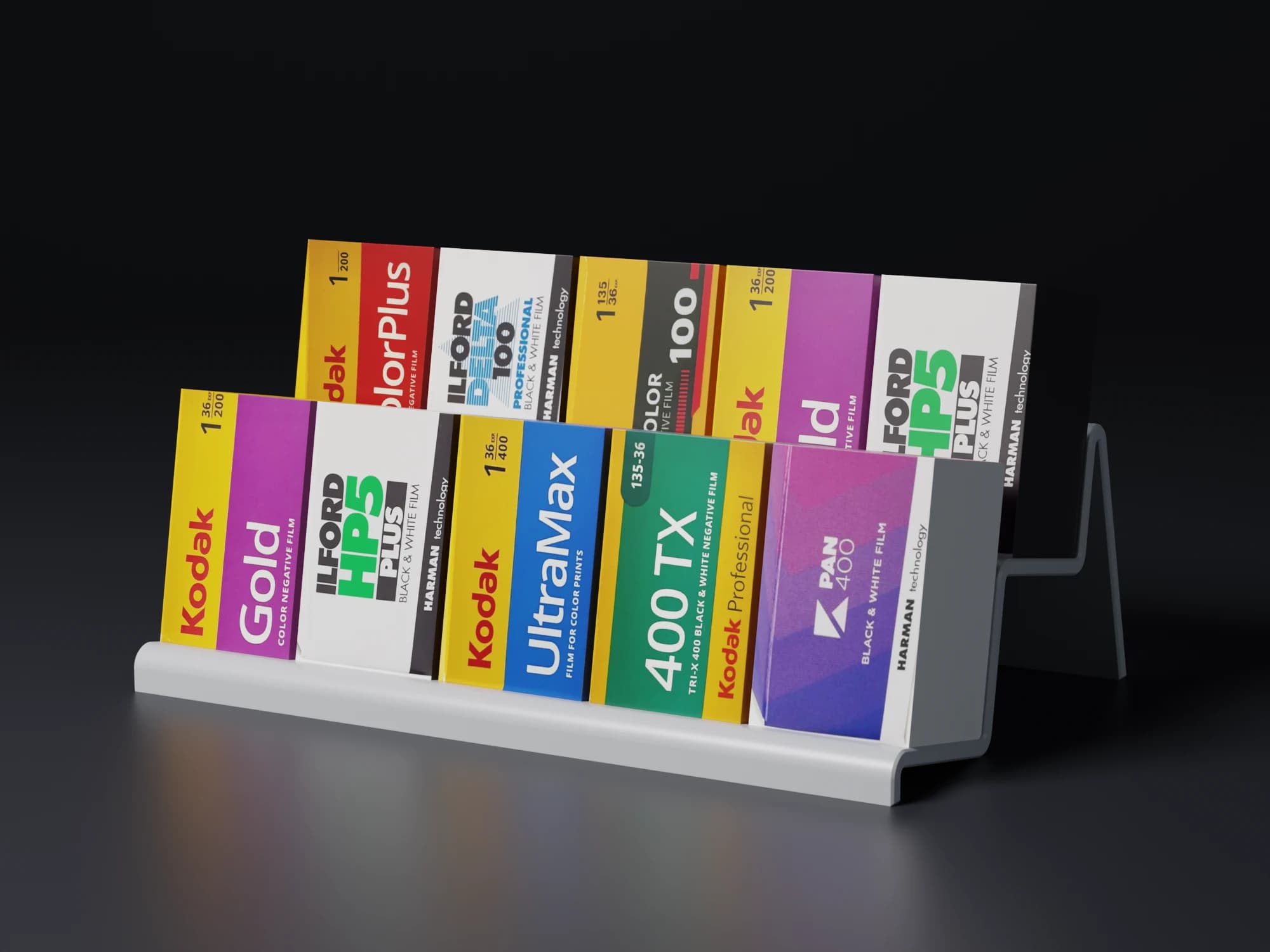
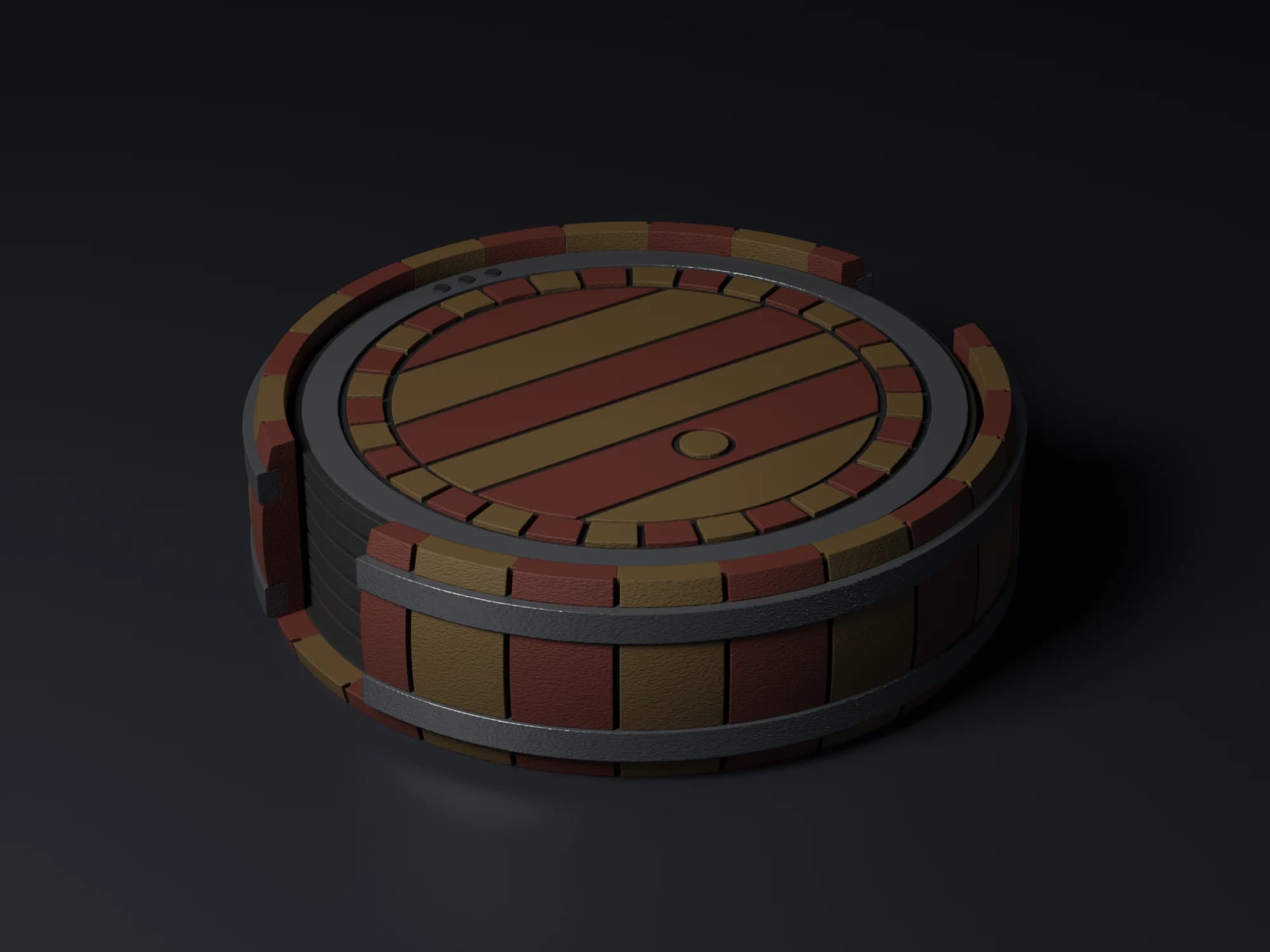
Yannic Fréson 3D's own designs are rarely right first time either: the Card Case design is on version nine. Holders and boxes like these also lend themselves to a run. For now the images are 3D renders.
Questions about prototypes and batches
All frequently asked questionsCan I have a second version printed in the same week?
That depends on how busy it is. Each standard version is an order with a lead time of 3 to 5 working days after your approval. For shape and fit, a fast prototype is ready in 1 to 2 working days. A rush on a standard print is possible when the printer is free, for a surcharge.
What is a fast prototype and when is it ready?
A fast prototype is an unfinished print on the printer's faster speed profile, for checking shape and fit. It is ready 1 to 2 working days after you approve the quote, for a part or small set that prints within a day. The minimum order is €8.
What happens if a fast prototype fails during printing?
The chance of a failed print is higher on the fast profile. If a fast prototype fails during printing, it is printed again once at no cost. Ringing, rough faces and visible seams are part of the tier and are not a defect. The full arrangement is in the terms and conditions.
Will my design stay confidential?
Yes. Your file is used only to make your quote and your print, and customers' work does not appear in the portfolio without permission. How long files are kept is in the privacy policy.
Can you print a prototype larger than 256 mm?
Not in one piece. The build volume is 256 × 256 × 256 mm. A larger model can be printed in sections that you join afterwards. Where the seams go is best decided in the design, and worth discussing before the quote.
From how many parts do I get a discount?
The discount works in tiers and rises with the number of parts in one order. It applies to material and print time, not to the start-up fee or the design. The tiers are in the rate card on the pricing page; in the example of 50 clips the discount is already included.
Are all the parts in a batch exactly the same?
They come from the same file, the same printer and the same settings, so they are closely comparable. They are not exactly identical in the way injection-moulded parts are. Small differences in surface come with FDM.
Can I reorder the same batch later?
Yes. Say which run you mean when you reorder, and the same file and settings are used. The colour can differ very slightly between two deliveries of filament. A repeat order is a new order, with a new quote.
As a business, do I get an invoice with VAT?
You get an invoice, but without VAT. Yannic Fréson 3D falls under the Belgian exemption scheme for small enterprises. The price on your quote is therefore the final price, and there is no VAT to deduct.
Further reading
- What 3D printing costs per part, per gram and per hourHow the price is built up, with worked examples.
- PLA vs PETG vs ABS/ASAWhich material for a part that is going to be used.
- Materials for parts in usePETG is the usual choice for clips and holders.
- Delivery to your businessWhere orders come to the door and where they are shipped.
Request a quote for your prototype or batch
Upload your file and mention the quantity, the material, what you want to test and the date you need the parts. You get a price per part and for the whole run.